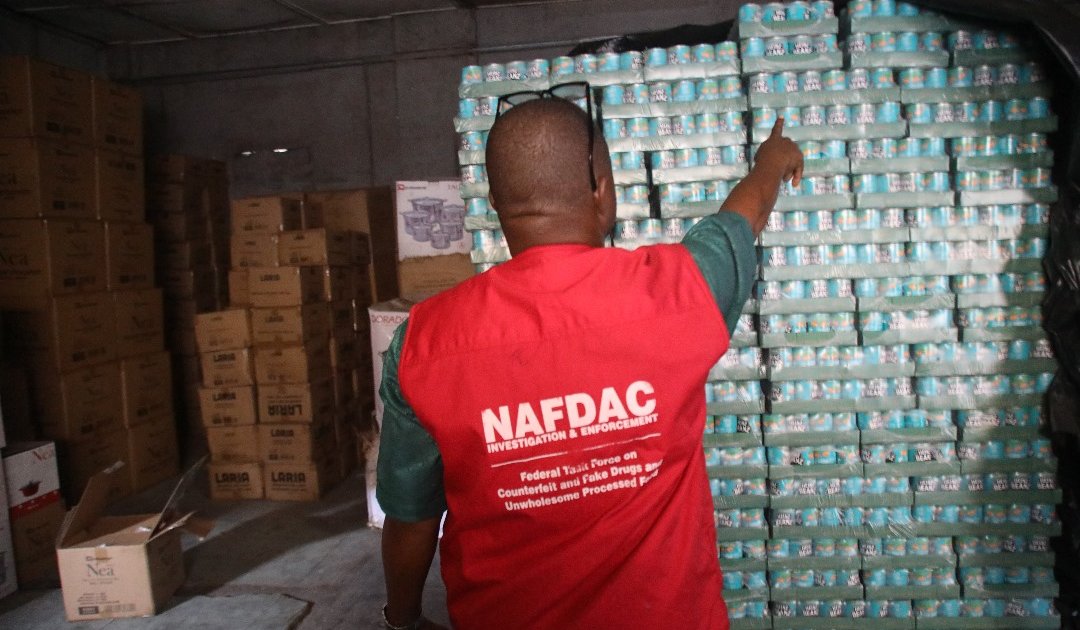
NAFDAC has urged medicine dealers to adopt safer storage and distribution practices, warning against counterfeit, expired and improperly handled drugs in Nigerian markets.
The National Agency for Food and Drug Administration and Control (NAFDAC) has called for safer drug storage and distribution practices across Nigeria’s medicine markets, warning dealers against the sale of counterfeit, expired and substandard products.
NAFDAC Director-General, Prof. Mojisola Adeyeye, made the call on Saturday during a stakeholders’ engagement with the Patent Medicine Dealers Association at Ogbete Market, Enugu.
The engagement focused on sensitising medicine dealers on Good Storage and Distribution Practices (GSDP), which are designed to help protect the quality, safety and efficacy of pharmaceutical products throughout the supply chain. NAFDAC’s guidelines emphasise proper storage and distribution as critical measures for preventing contamination, adulteration, mix-ups and the entry of counterfeit medicines into legitimate supply chains.
Adeyeye, who was represented by NAFDAC’s South-East Zonal Director, Dr Festus Ukadike, said the engagement was aimed at educating medicine traders on safer storage practices and responsible drug distribution.
She urged dealers to procure medicines only from legitimate manufacturers, importers and authorised distribution channels.
The NAFDAC boss warned that the manufacture, importation, distribution and sale of counterfeit or substandard products posed a serious threat to public health and could attract severe regulatory sanctions.
She also cautioned traders against selling expired medicines or engaging in the relabelling and alteration of expiry dates, describing such practices as unethical and criminal.
Adeyeye encouraged medicine dealers to stock and sell only products registered by NAFDAC and to ensure that the medicines they handled were safe, efficacious and wholesome.
She further urged drug sellers to embrace the Coordinated Wholesale Centre (CWC) initiative, which is part of Nigeria’s effort to establish a more organised, secure and traceable pharmaceutical distribution system.
NAFDAC has consistently promoted the transition from open drug markets to Coordinated Wholesale Centres, arguing that the existing distribution system makes effective regulation and monitoring more difficult. The agency’s 2024–2027 strategic plan also includes enforcement against the sale of pharmaceutical products in open drug markets.
According to Adeyeye, the future of pharmaceutical distribution in Nigeria depends on organised and internationally compliant systems.
She described the open drug market system operated across the country as chaotic, poorly regulated and illegal.
“Open drug markets shall soon be a thing of the past and the CWC is designed to enhance security, accountability and proper regulatory oversight,” she said.
Adeyeye explained that under a modern and structurally integrated framework, regulatory agencies, including NAFDAC, the Pharmacy Council of Nigeria (PCN), National Drug Law Enforcement Agency (NDLEA) and the Nigeria Police Force, would work together to regulate medicine markets.
She said medicines were specialised products and required a high level of responsibility and accountability from everyone involved in their sale and distribution.
The NAFDAC Director-General also urged traders to establish proper systems for recording medicines procured, stored, distributed and sold.
She added that medicine dealers should promptly report any adverse drug reactions experienced by consumers to the appropriate authorities.
Dr Cletus Agu, an Assistant Chief Regulatory Officer at NAFDAC, trained the drug dealers on how to report cases of adverse drug reactions and comply with Good Storage and Distribution Practices.
Agu encouraged the traders to maintain proper records covering the procurement, storage, distribution and sale of NAFDAC-approved medicines.
The renewed call comes amid NAFDAC’s sustained campaign to strengthen pharmaceutical regulation and tackle the circulation of falsified, expired and substandard medicines in Nigeria’s drug distribution system.
Visit GMTNewsng for more news stories.