Enugu Tax Reform takes a people-first turn as ESIRS Chairman Emmanuel Ekene Nnamani outlines exemptions for low earners, reliefs for families, and simplified levies – framing taxation as a tool for fairness and visible development.
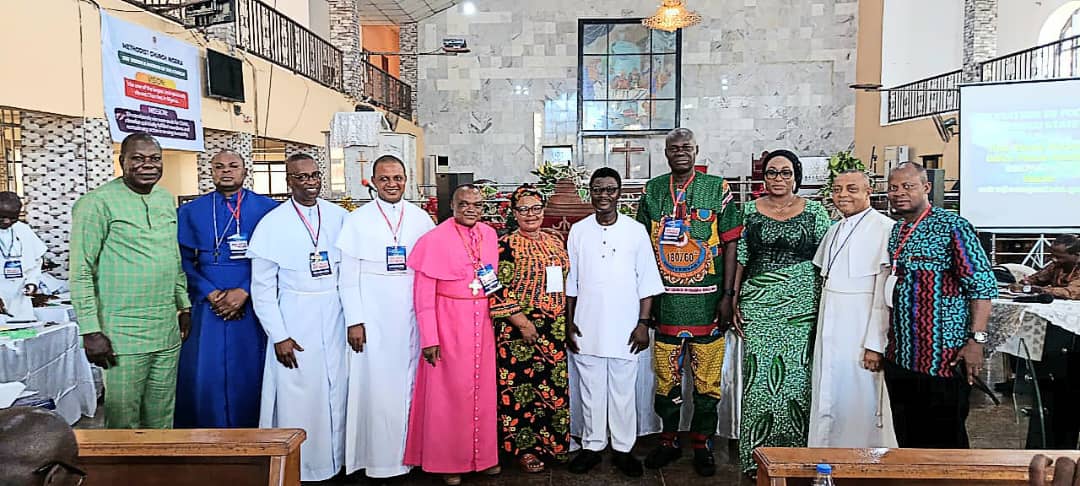
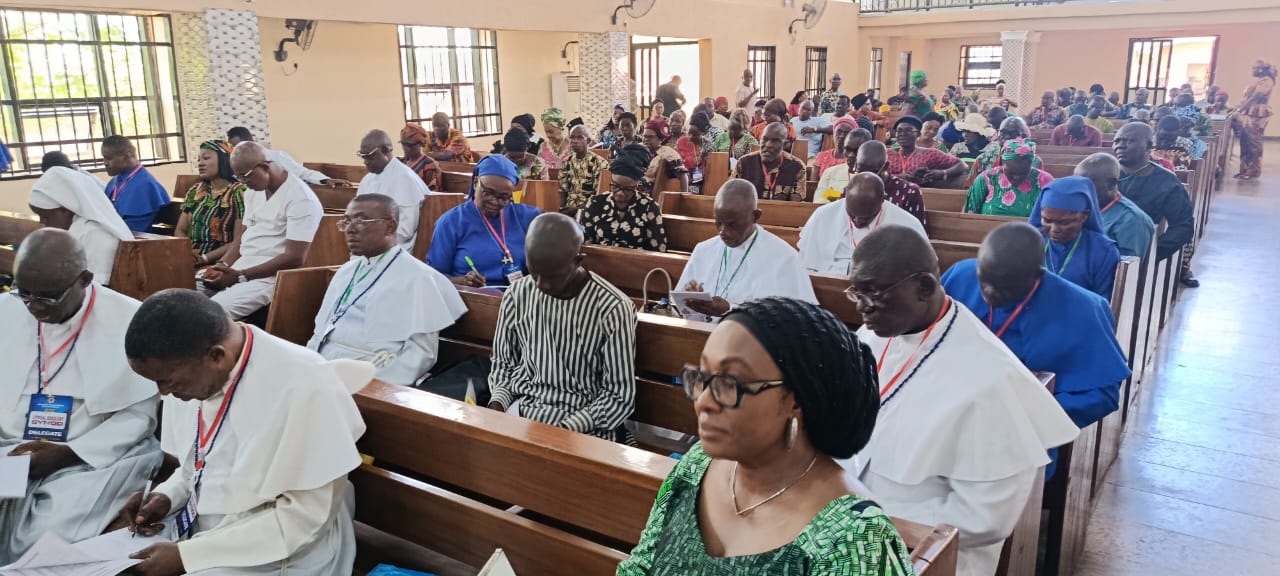
Enugu — Enugu Tax Reform is being framed with a human face, as the Executive Chairman of the Enugu State Internal Revenue Service (ESIRS), Emmanuel Ekene Nnamani, says the new law is designed to protect ordinary people while strengthening the state’s economic base. Speaking as Special Guest Lecturer at the 51st Synod of the St. John Methodist Church Nigeria, Enugu Diocese, Nnamani argued that taxation in Enugu is no longer about pressure on citizens but about fairness, relief, and shared progress.
Addressing clergy, delegates, and community leaders, Nnamani positioned the Enugu Tax Reform as a deliberate shift toward inclusion. “This framework is pro-citizen,” he said, explaining that individuals earning below ₦70,000 monthly are fully exempt from tax. He added that even those above the threshold are entitled to multiple reliefs that can significantly reduce their obligations, including deductions tied to rent, healthcare, pensions, housing contributions, and life insurance. “If you are organized and file properly, many people will find their burden lighter than expected,” he stated
The Synod setting added a moral dimension to the policy conversation. The Archbishop of Enugu Diocese, Most Rev. Christopher Edeh, urged participants to engage the issue with seriousness, noting that governance and faith intersect in practical ways. “Nation-building is a collective duty,” Edeh said, stressing that citizens must understand fiscal systems if they expect accountability. He maintained that the Church, though structured around stipends rather than salaries, remains deeply invested in policies that shape society.
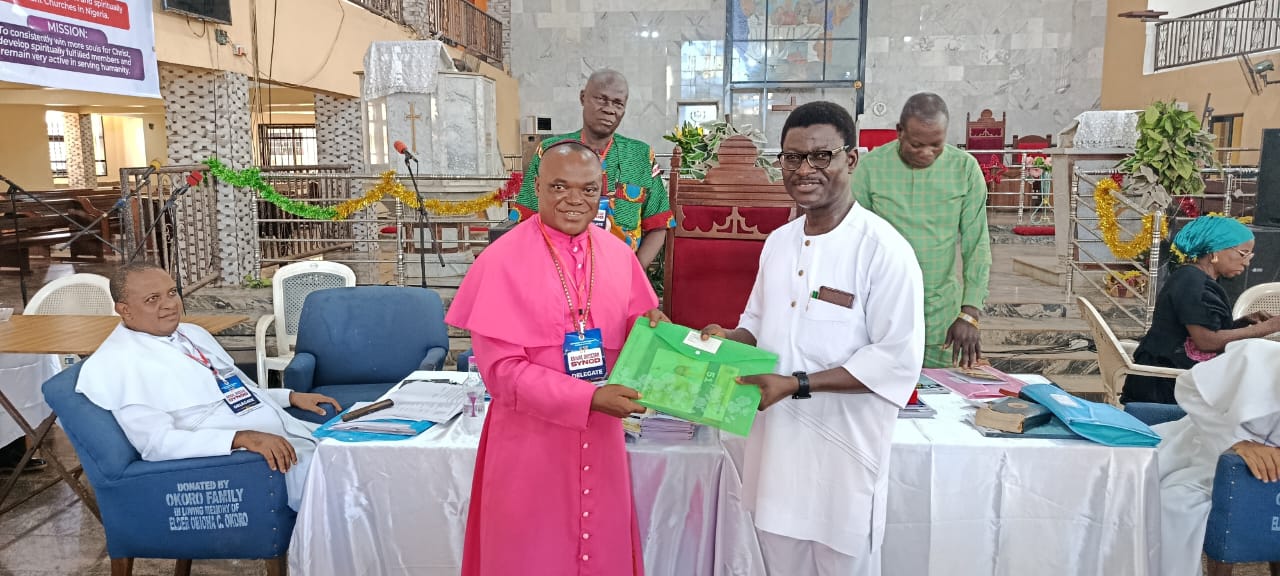
Nnamani, reflecting on his personal journey, linked his values to his Methodist background, describing himself as a product of Wesley Secondary School, Ezzamgbo. That connection appeared to inform his emphasis on fairness within the Enugu Tax Reform. He told the gathering that taxation should not be feared when it is structured transparently and tied to visible outcomes. “Prayer is essential, but it must go with contribution,” he said, noting that economies without natural resources often rely on disciplined tax systems to grow sustainably.
A central feature of the Enugu Tax Reform is its treatment of vulnerable groups and small businesses. Nnamani explained that companies earning below ₦100 million annually are shielded from certain taxes, while informal sector operators making less than ₦12 million yearly are not required to pay at all. For those slightly above that bracket, only minimal rates apply. He also addressed a long-standing concern among traders: multiple taxation. According to him, the government has consolidated levies into a single payment system, particularly in markets, reducing confusion and eliminating duplication. “The idea is simple – pay once, get clarity, and move on with your business,” he said.
The reforms extend to transport operators, where tricycle riders now make a single daily payment covering all dues, backed by an electronic receipt system. Nnamani suggested this approach improves transparency while reducing harassment. The Enugu Tax Reform, he argued, is not just about revenue collection but about restoring trust between government and citizens.
On religious institutions, Nnamani drew a careful distinction. “Churches and mosques are not taxed as entities,” he clarified, but noted that commercial activities linked to them – such as rental income or fee-paying schools – remain taxable under the law. He added that clergy and staff are only liable if their income crosses the legal threshold, reinforcing the reform’s emphasis on equity.
To demonstrate impact, Nnamani cited revenue figures, stating that the state generated ₦7.4 billion in the previous year and had already recorded over ₦3 billion early in the current year. He linked this growth to improved compliance and a more efficient system. More importantly, he pointed to visible projects funded by these revenues, including smart schools, Type-2 hospitals across all 260 wards, and the revival of key state assets. “People should see where their taxes go,” he said, framing infrastructure as proof of accountability under the Enugu Tax Reform.
Compliance, however, remains a sticking point. Nnamani reminded citizens that annual tax filing is mandatory by March 31, warning that failure attracts a ₦100,000 penalty. He encouraged residents to obtain Tax Identification Numbers using their National Identification Numbers, describing it as a simple but necessary step toward inclusion in the formal system.
During the interactive session, he addressed public concerns, clarifying that properly documented donations to religious and charitable causes are not taxable. He also dismissed fears around pro-bono service, stating that individuals offering voluntary work in church-owned institutions would not be taxed, provided records are maintained. On housing costs, he argued that rising rents are driven more by supply shortages than tax policy.
In his closing remarks, Archbishop Edeh commended the clarity brought by the session and called for continuous public education. Nnamani, in turn, urged citizens to view taxation as a shared responsibility rather than a burden, insisting that the Enugu Tax Reform is ultimately about balancing government needs with human realities.
Visit GMTNewsng for more news stories.