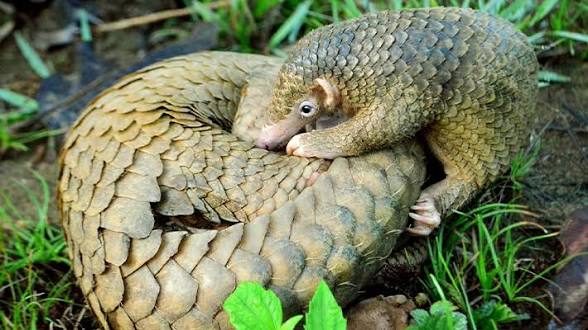
Nigeria’s environmental agency says the recovery of pangolins in Kano and Akwa Ibom reflects growing public awareness and stronger support for wildlife conservation efforts.
The National Environmental Standards and Regulations Enforcement Agency (NESREA) says the recovery of pangolins in Kano State and Akwa Ibom State reflects increasing public awareness and support for wildlife conservation across Nigeria.
This was disclosed in a statement issued on Monday in Abuja by Nwamaka Ejiofor, Assistant Director of Press at NESREA
Ejiofor said a local hunter, Imo Etim, discovered two pangolins caught in traps he had set for grass-cutters in Akwa Ibom.
According to her, the hunter immediately alerted Olajumoke Morenikeji of the Pangolin Conservation Guild Nigeria (PCGN).
One of the pangolins later died, while the hunter handed over both animals to NESREA officials led by the state coordinator, Mfon Nkanang.
The animals were subsequently transferred to the National Park Service for further care and conservation.
Ejiofor also revealed that officers of the Nigeria Customs Service in the Kano/Jigawa Area Command handed over two live pangolins and one dead pangolin to NESREA.
She said the animals were suspected to be part of an illegal wildlife trafficking operation.
NESREA officials led by Ismaila Anamoh, an Assistant Director, received the animals before transferring them to the Kano Zoological Garden.
The pangolins were formally received by Hafsah Adam, representing the Kano State Zoological and Wildlife Management Agency (KAZOWMA).
Reacting to the development, Innocent Barikor, Director-General of NESREA, praised the actions of the Akwa Ibom hunter and the cooperation among security agencies in Kano.
He said the incidents demonstrate growing awareness about the protection of endangered wildlife species.
“In Akwa Ibom, when the hunter realised the animals were pangolins, he did not attempt to sell them but contacted the authorities,” Barikor said.
The NESREA chief warned that wildlife trafficking-whether conducted physically or through social media-remains a criminal offence in Nigeria.
He noted that such activities violate the Endangered Species Act and the National Environmental (Control of Endangered Species in Domestic and International Trade) Regulations 2025.
Barikor reaffirmed the agency’s commitment to enforcing environmental laws and protecting endangered wildlife across the country.
He also urged members of the public to support conservation efforts by reporting wildlife crimes to relevant authorities.
Visit GMTNewsng for more news stories.