


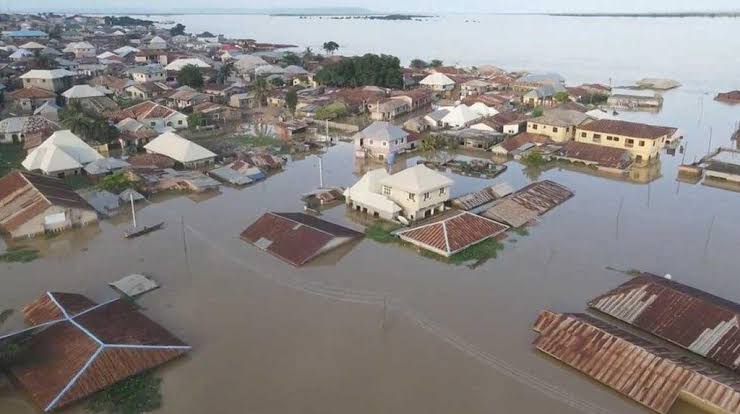
The Yobe State Government has adopted a comprehensive flood preparedness plan targeting more than 126,000 vulnerable households as part of efforts to strengthen disaster response and climate resilience across high-risk communities.
The Yobe State Government has intensified efforts to mitigate the impact of flooding by adopting a comprehensive 2025 Flood Preparedness Plan aimed at protecting more than 126,000 vulnerable households across high-risk communities in the state.
The Acting Secretary to the State Government (SSG), Dr. Mohammed Goje, disclosed this in Damaturu on Thursday, saying the preparedness strategy was developed using forecasts and risk assessments provided by the Nigerian Meteorological Agency (NiMet) and the Nigeria Hydrological Services Agency (NIHSA).
According to Goje, Yobe continues to face a range of humanitarian and climate-related challenges, including seasonal flooding, windstorms, fire outbreaks, and communal conflicts, making proactive disaster management essential.
He explained that the state government has adopted preventive measures designed to minimise disaster impacts, safeguard lives and livelihoods, and strengthen resilience among vulnerable populations.
Goje noted that the government responded promptly to recent flooding incidents in Potiskum, Nangere, and other affected local government areas through coordinated humanitarian interventions.
The interventions, he said, included the provision of healthcare services, temporary shelters, access to safe water, and protective infrastructure for displaced persons affected by the disasters.
“The preparedness plan targets more than 126,000 vulnerable households residing in high-risk communities across Yobe.
“It also contains contingency measures for possible displacement and other humanitarian emergencies,” he stated.
The acting SSG said the administration’s disaster management framework is focused on promoting resilience, supporting sustainable development, and reducing long-term vulnerability to recurring emergencies.
He added that efforts are ongoing to strengthen early warning systems, enhance community-based preparedness structures, and improve disaster response capabilities across the state.
According to him, the government is also investing in long-term recovery programmes aimed at protecting livelihoods, reducing exposure to future risks, and supporting affected communities in rebuilding after disasters.
Goje stressed that effective disaster management requires collaboration among government institutions, local communities, development partners, and humanitarian organisations.
“No single institution can effectively respond to disasters alone. Sustainable solutions require collective action and strong partnerships,” he said.
He reaffirmed the commitment of the administration of Governor Mai Mala Buni to strengthening disaster preparedness and protecting vulnerable populations from the impact of natural and humanitarian emergencies.
According to Goje, the state government will continue to prioritise initiatives that safeguard lives, preserve livelihoods, and protect critical infrastructure across communities vulnerable to climate-related and humanitarian challenges.
The adoption of the Flood Preparedness Plan comes as authorities across Nigeria intensify efforts to address the growing risks associated with extreme weather events and climate change, particularly in flood-prone regions.
Visit GMTNewsng for more news stories.