


The WHO and Brazil have issued a high-stakes ultimatum to global heads of state, warning that a failure to sign the incomplete Pandemic Agreement leaves humanity dangerously exposed to future global biosecurity crises.
The World Health Organization (WHO) and the Federal Government of Brazil have issued a high-stakes, unified appeal to global heads of state, demanding an immediate end to diplomatic gridlocks to finalize a historic, legally binding international accord engineered to protect humanity from future biosecurity disasters.
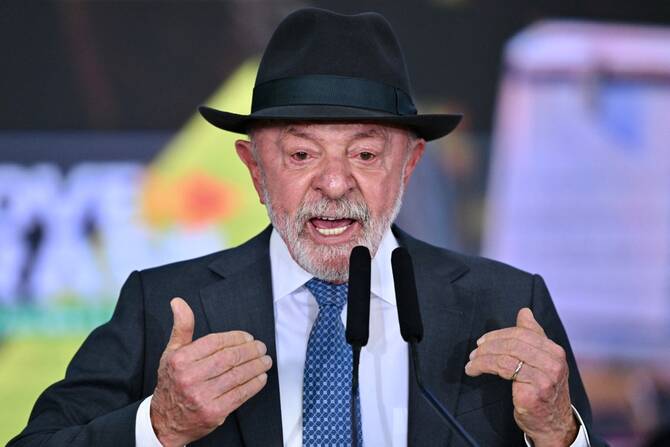
In an emotional and urgent joint letter released on Monday, June 15, 2026, co-signed by Brazilian President Luiz Inácio Lula da Silva and WHO Director-General Dr. Tedros Adhanom Ghebreyesus, the leaders delivered a stark reminder of the unprecedented destruction unleashed by the COVID-19 pandemic, which brutally claimed up to 20 million human lives and instantly wiped out a staggering 13 trillion dollars in global economic productivity.
The leaders asserted that unless sovereign nations rapidly transition past protective nationalistic posturing, the collective global promise forged during the dark isolation of 2020-to never again allow healthcare systems to collapse under a wave of uncontained viral outbreaks-will remain completely unfulfilled.
While member states made monumental strides over a year ago by formally adopting the broad framework of the WHO Pandemic Agreement, the treaty has hit a wall over a highly contested and unresolved technical component: the Pathogen Access and Benefit-Sharing (PABS) system annex.
This critical legislative framework is designed to force countries to rapidly share the genetic sequencing data of high-risk, newly emerging biological pathogens with the global scientific community.
In exchange, the system sets up an equitable distribution network to ensure that developing and low-income nations receive timely, affordable access to the resulting diagnostic tests, antiviral treatments, and lifesaving vaccines.
Without a finalized and ratified PABS annex, the broader Pandemic Agreement cannot formally enter into force, a dangerous structural gap that leaves global borders utterly exposed to the next inevitable outbreak.
“In a divided world, that outcome was not to be taken for granted. It was an act of hope and an act of faith in one another. We write to you now because that hope is not yet fulfilled and because it lies within your hands to help fulfil it.” says President Lula da Silva & Dr. Tedros Adhanom Ghebreyesus
The diplomatic friction holding back the agreement centers heavily on deep-seated disputes between the wealthy, vaccine-producing global North and the resource-constrained global South over strict rules of engagement.
To highlight the key structural battlegrounds that negotiators are racing to resolve before the treaty collapses, the breakdown below outlines the core friction points dominating the international discourse:
With an emergency high-level summit scheduled to hold from July 6 to 17, 2026, international diplomats are under extreme pressure to iron out these highly sensitive governance models.
President Lula and Dr. Tedros maintained that the underlying challenges, though undeniably complex, are purely a test of political will and moral clarity.
They warned world leaders that the current window of opportunity is rapidly closing, and that failing to solidify a unified global defense system right now means intentionally choosing to repeat the tragic vulnerabilities of the past when the next deadly pathogen inevitably strikes.
Visit GMTNewsng for more news stories.