


The Abia State Government says it is committed to delivering infrastructure projects that meet global standards through improved technical capacity and stronger quality control systems.
Abia, Nigeria – The Abia State Government says it is committed to delivering infrastructure projects that meet global standards by strengthening technical competence and improving project management systems.
The Director-General of the Abia State Project Implementation Bureau (ASPIB), Onyinye Nwosu, stated this on Wednesday at the opening of a two-day capacity-building workshop in Umuahia.
The workshop, organised for contractors and officials from government Ministries, Departments and Agencies, is themed “Quality Execution: A Shared Ownership in Building High Quality Resilient Infrastructure through Collaborative Project Management.”
Nwosu said the training would focus on applying quality assurance and quality control principles to improve the delivery of public infrastructure and ensure value for public funds.
He explained that the initiative was designed to strengthen collaboration between contractors and government agencies involved in project execution.
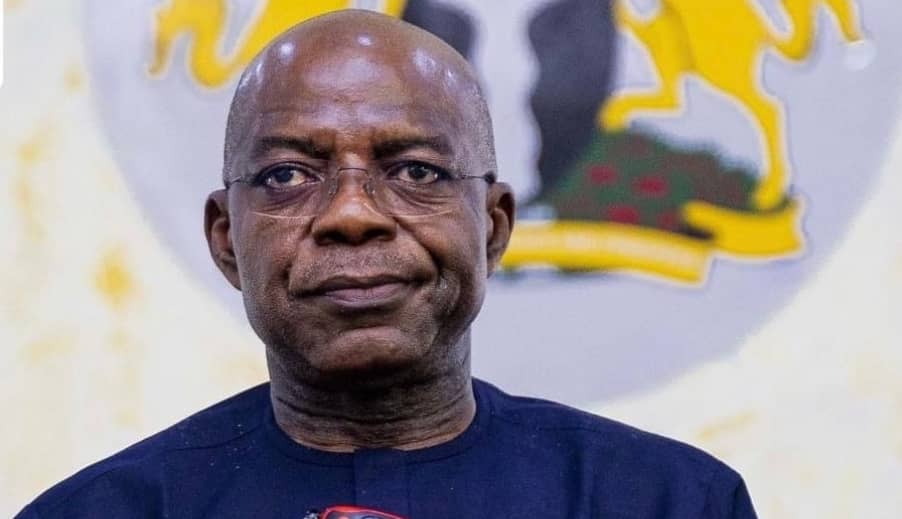
According to him, the programme aligns with the development vision of Alex Otti, Governor of Abia State, which prioritises excellence and sustainability in infrastructure development.
“Our governor has transformed the state into a massive construction site.
“In order to deliver infrastructure that will stand the test of time, we must ensure strict adherence to quality assurance and control processes,” Nwosu said.
He noted that the increasing number of infrastructure projects across the state made the training necessary to ensure proper monitoring and adherence to established standards.
Nwosu added that the workshop would enable contractors and government officials to better understand the quality management systems put in place to guide construction activities.
“We must think about infrastructure from a long-term perspective, possibly 50 to 100 years ahead, and ensure that projects are executed with durability and sustainability in mind,” he said.
Speaking at the event, resource person Prince Chukwudi emphasised the importance of proper soil and site investigations before construction begins.
He said many infrastructure failures occur when projects are initiated without adequate geological and geotechnical studies.
According to him, proper geotechnical exploration ensures that project designs align with site conditions, preventing structural defects and unnecessary cost increases.
“If a project is expected to cost about 100,000 dollars, the absence of proper geological investigation could push the cost to 200,000 dollars or more,” Chukwudi explained.
One of the participants, Chukwuma Okolo, described the workshop as a significant step toward improving project implementation systems in Nigeria.
Okolo said the initiative would help address the persistent challenge of abandoned or poorly executed public projects.
He added that the establishment of ASPIB was aimed at tackling longstanding inefficiencies in infrastructure delivery and ensuring that public funds are properly utilised.
Visit GMTNewsng for more news stories.