


President Bola Ahmed Tinubu extends the Shea Export Ban to 2027, mandates NCX compliance, withdraws waivers, and unveils finance support to strengthen Nigeria’s shea processing industry.
Nigeria’s Shea Export Ban has been extended for another year following approval by Bola Ahmed Tinubu, a decision aimed at deepening local processing and expanding value addition across the shea value chain.
The extension of the Shea Export Ban will run from February 26, 2026, to February 25, 2027. The Presidency said the move reflects the administration’s determination to prioritise domestic industrial growth instead of exporting raw agricultural commodities.
Under the renewed Shea Export Ban, exporters are barred from shipping unprocessed shea nuts outside Nigeria except within approved regulatory frameworks. The government believes the policy will strengthen local processing capacity and increase foreign exchange earnings from finished and semi-finished products.
Industry analysts say the continuation of the Shea Export Ban could significantly improve earnings for processors, as refined shea butter sells at prices between 10 and 20 times higher than raw nuts in international markets.
To ensure effective enforcement of the Shea Export Ban, the President authorised the Federal Ministry of Industry, Trade and Investment and the Presidential Food Security Coordination Unit to coordinate a unified national framework for implementation.
In addition, the Shea Export Ban will now operate strictly under guidelines approved through the Nigerian Commodity Exchange (NCX). All waivers previously granted for the direct export of raw shea nuts have been withdrawn.
According to the directive, any excess supply arising under the Shea Export Ban must be exported exclusively through the NCX framework and in line with its compliance rules.
Beyond regulation, the administration is pairing the Shea Export Ban with financial support mechanisms. The President directed the Federal Ministry of Finance to provide access to a dedicated NESS Support Window to help pilot a Livelihood Finance Mechanism for producers and processors.
Officials say aligning funding with the Shea Export Ban will strengthen production capacity in shea-producing communities, many of which rely heavily on women-led collection and processing networks.
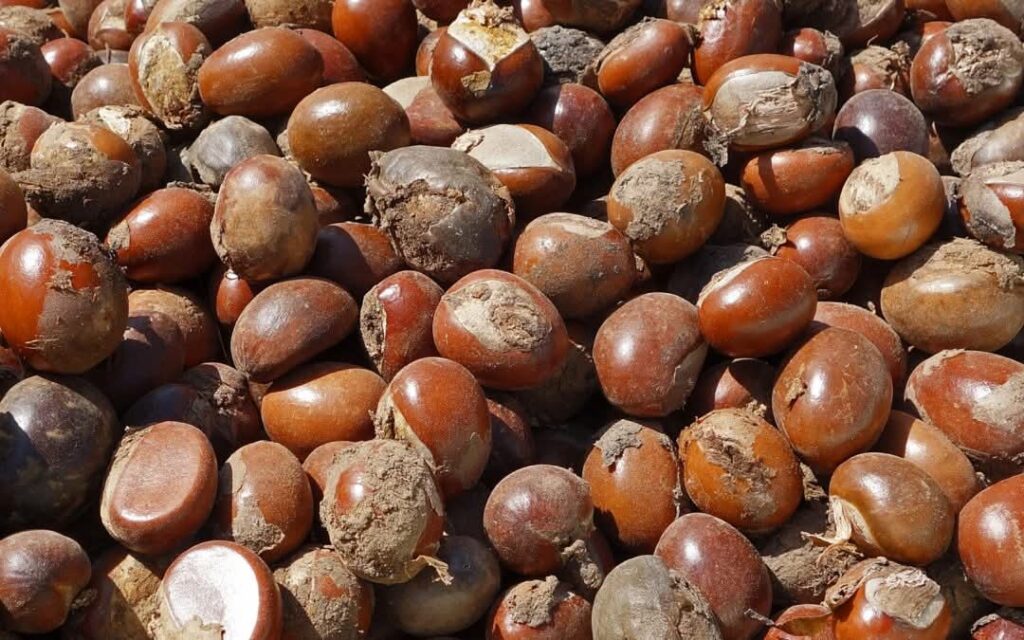
Shea nuts, harvested mainly in Nigeria’s savanna belt, are processed into shea butter – a globally demanded product used in cosmetics, pharmaceuticals, and food production. The government insists that sustaining the Shea Export Ban is essential to ensuring Nigeria captures more value within the global supply chain.
With the renewed Shea Export Ban, the Federal Government says it remains committed to industrialisation, export diversification, and inclusive rural economic growth anchored on value addition rather than raw commodity exports.
Visit GMTNewsng for more news stories.