


Enugu – February 9, 2026
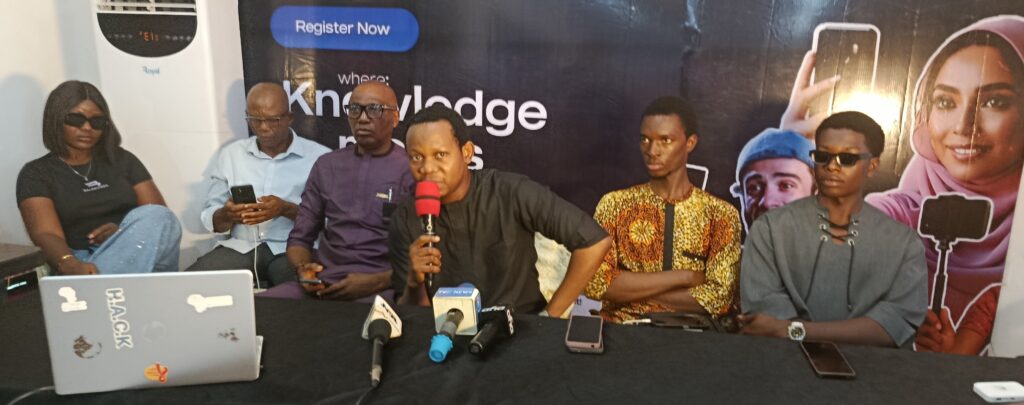
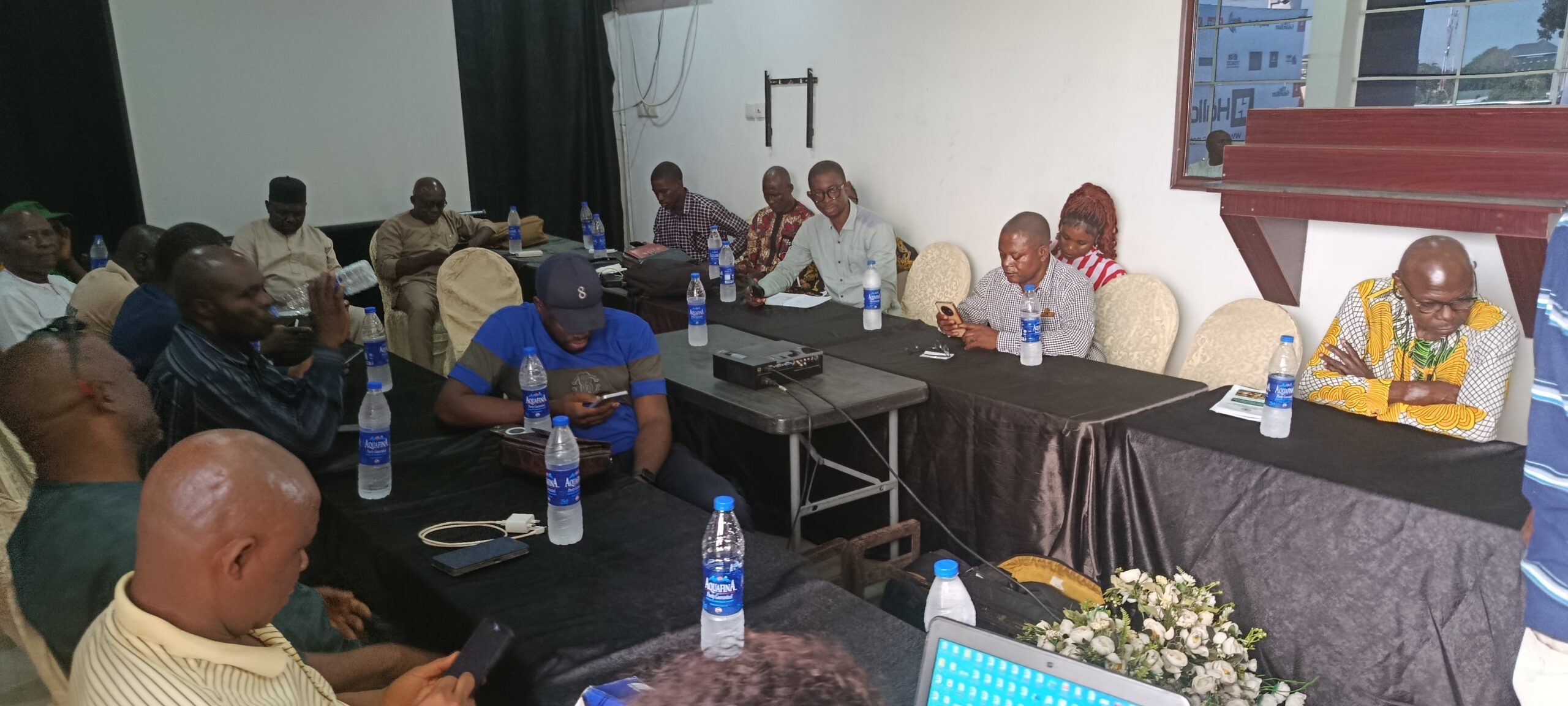
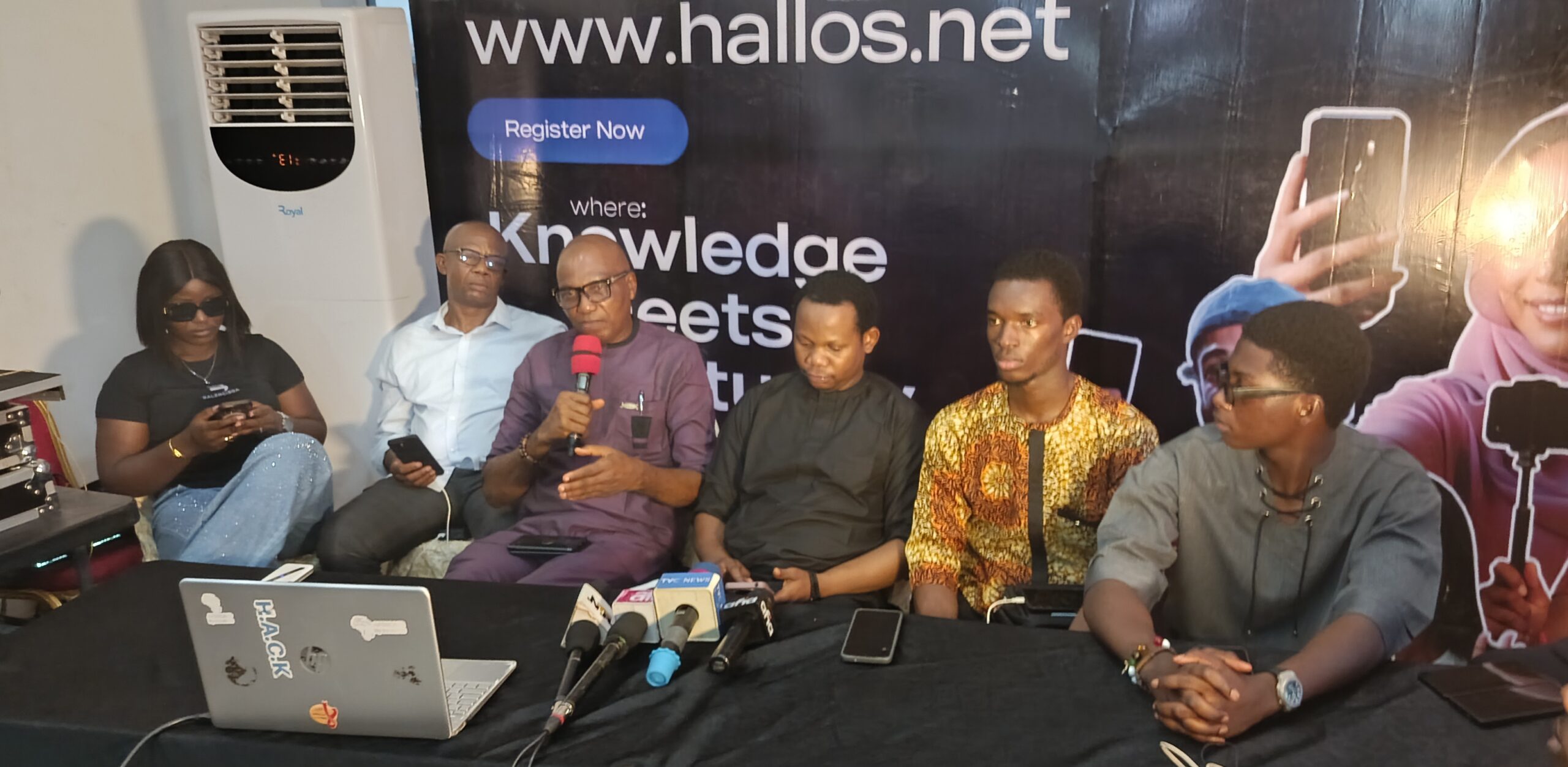
A press orientation for the highly anticipated Creator Summit, scheduled for Thursday, February 12, 2026, at the University of Nigeria, Enugu Campus (UNEC), was held yesterday in Enugu.
The event, hosted by Learnin247 in partnership with Hallos, brought together media professionals and key stakeholders to examine the rapid expansion of the creator economy and its growing relevance to youth employment and economic inclusion in Nigeria.
Opening the session, Alexander Oseji, lead host and spokesperson, challenged conventional ideas about career success, urging young people, parents, and society to rethink rigid professional expectations that prioritise only traditional fields.
“Not everyone has to be a doctor or engineer – those roles remain important – but the opportunities in the creator economy are real and expanding,” Uzoma said. “A major part of our work today is sensitizing communities about how youths can engage meaningfully with this industry.”

Uzoma noted that while digital platforms such as YouTube, TikTok, Instagram, Spotify, and Twitch have created unprecedented monetization opportunities, many creators still struggle to earn sustainable incomes due to poor strategy, limited skills, and lack of structured support. He cited global content creators MrBeast, Kai Cenat, and IShowSpeed as examples of how far the industry can scale, alongside Nigerian creators and streamers such as Carter Efe and Peller.
He explained that the creator economy goes far beyond entertainment and streaming, spanning sectors including podcasting, education, gaming, design, and social commerce, all of which collectively form a diverse digital employment ecosystem.
Industry Growth and Global Reach
Citing recent industry research, Uzoma said the global creator economy was valued at over $200 billion in 2025, with projections suggesting growth to about $480 billion by 2027. He attributed the surge to improved platform monetization models, brand partnerships, and creator-focused digital tools—figures that significantly exceed estimates from the early 2020s.
According to him, one of the industry’s strongest advantages is its low entry barrier, enabling youths with basic digital skills and a smartphone to participate in a global market without geographical limitations.

“You can export your culture and content to audiences in the USA, China, Canada, Russia, and beyond without leaving your home,” he said. “The internet removes geographical limits.”
Value Chain and Job Creation
Uzoma outlined the creator economy’s value chain to demonstrate how content creation fuels job creation across multiple layers of the digital economy. Core creator roles include influencers, musicians, educators, streamers, designers, and gamers. Supporting roles extend to video editors, scriptwriters, social media managers, brand managers, photographers, sound engineers, and merchandise manufacturers, while platform infrastructure relies on software developers, data analysts, moderators, and marketing teams.
He stressed that this interconnected ecosystem supports thousands of jobs beyond individual creators, positioning the sector as a serious business and employment engine rather than a casual side hustle.
Youth Opportunities and Regional Inclusion
The press orientation also highlighted initiatives in other states, particularly Lagos, where creator economy training has been incorporated into youth development programmes. Uzoma said Enugu was intentionally selected as a summit host to ensure the South East and its growing pool of digital talent are not sidelined in the emerging digital economy.
“This industry matters for Nigeria’s youth because it offers an alternative to dependency on government jobs or oversaturated traditional fields. With the right skills, creators can build careers and generate income independently,” he said.
Platforms, Policy, and Support
Uzoma introduced the Hallos Platform, designed to support creators at various stages by providing infrastructure, monetization pathways, and revenue tools. He explained that the platform allows creators to focus on producing content while optimising earnings.
He also called for stronger collaboration among government agencies, startup ecosystems, and investors to support digital skills training, creator grants, equipment financing, affordable internet access, and the establishment of dedicated creator hubs across the country.
Learnin247 x Hallos Vision
Concluding the session, Uzoma outlined the partnership’s long-term goal of training millions of African youths to become creators, digital entrepreneurs, remote workers, and cultural exporters. He described the creator economy as a major future employment frontier for young people seeking both economic independence and creative agency.
“The creator economy has moved beyond entertainment,” Uzoma concluded. “It is now a global employment ecosystem that is reshaping how people work and earn.”
Visit GMTNewsng for more news stories.