The Guinea-Bissau coup d’état has trapped Goodluck Jonathan and foreign observers as soldiers suspend the electoral process, shut borders, and heighten regional diplomatic concerns. International actors warn against manipulating electoral outcomes.
Guinea-Bissau Coup d’état : Goodluck Jonathan Trapped as Military Seizes Power, Suspends Election
The Guinea-Bissau coup d’état has plunged the West African nation into yet another constitutional crisis, trapping former Nigerian President Goodluck Jonathan and dozens of international observers inside the country after the military abruptly seized control of state institutions. The takeover occurred shortly after rival candidates-incumbent President Umaro Sissoco Embaló and opposition contender Fernando Dias-both declared victory in the hotly contested election.
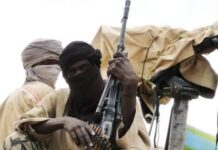
According to multiple credible reports, the African Union, ECOWAS, and UN observer delegations-of which Jonathan is a senior member-were preparing to receive the official results when heavy gunfire erupted around key government facilities in Bissau. Shortly afterward, a group identifying itself as the “High Military Command for the Restoration of Order” announced that it had assumed full authority, suspended the electoral process “until further notice,” and shut Guinea-Bissau’s land, air, and sea borders.
The military command also imposed an overnight curfew, effectively preventing hundreds of foreign observers, diplomats, and election support staff from leaving the country. Commercial flights were halted, and security forces were deployed around Bissau airport, further complicating evacuation plans. Guinea-Bissau coup d’état is adding another layer of complication in in already troubling political landscape in some African countries.
In the words of one ECOWAS security liaison who spoke on background, “Everyone is safe, but no one is leaving. The borders are closed, the airport is shut, and until the military clarifies its intentions, movement is extremely restricted.”
Former President Jonathan is reported to be safe along with other members of the joint observer mission. A senior aide familiar with his situation described the atmosphere as “tense but under control,” confirming that the delegation is in secure accommodation pending diplomatic resolution in the Guinea-Bissau coup d’état.
The Guinea-Bissau coup has rekindled concerns about the rising frequency of electoral disruptions and unconstitutional power seizures across West Africa. Independent analysts warn that the latest development reinforces a destabilizing pattern where militaries intervene at moments of political tension or close electoral contests.
A conflict-resolution researcher at the Kofi Annan Peacekeeping Centre, Dr. Roselyn Tetteh, expressed worry over the timing:
“What we are witnessing again in the Guinea-Bissau coup is an environment where political actors push their personal interests to breaking point, leaving the military to exploit the vacuum. Unless African leaders stop manipulating electoral outcomes, these cycles of instability will continue.”
International reactions have begun trickling in, with regional diplomats stressing that the seizure of power threatens the integrity of democratic governance in West Africa. ECOWAS has historically intervened in Guinea-Bissau’s political crises, and diplomatic pressure is expected to intensify in the coming days.
A senior Nigerian foreign affairs official, responding to inquiries, underscored the broader continental consequences:
“This Guinea-Bissau coup raises serious diplomatic alarms. When a nation reaches the point where election results cannot be trusted and the military steps in, it sends shockwaves through the region. It affects investor confidence, regional security collaboration, and the credibility of democratic transitions.”
The military leadership has attempted to justify its action by claiming it intervened to “restore order” amid electoral disputes and alleged irregularities. Yet observers insist that the proper mechanism for resolving electoral disagreements lies in legal and constitutional channels-not force.
Analysts also warn of potential diplomatic strain between Guinea-Bissau and its closest regional partners because of the Guinea-Bissau coup d’état, especially Nigeria, Senegal, Cape Verde, and ECOWAS institutions. The presence of foreign dignitaries like Jonathan adds urgency to international negotiations, as their safety and evacuation now form part of broader diplomatic engagements.
Beyond the immediate shock, the Guinea-Bissau coup underscores a deeper and more troubling regional trend. Democracies across Africa face mounting pressure as ruling elites attempt to influence electoral institutions and outcomes to entrench their political dominance. This pattern, experts argue, must be confronted head-on.
Dr. Tetteh reacting on Guinea-Bissau coup d’état insists: “There must be a coordinated international effort to discourage African leaders from gaming their electoral systems. Where political interests overshadow the popular will, instability becomes inevitable. Guinea-Bissau is the latest reminder.”
As ECOWAS, the African Union, and the United Nations prepare emergency responses, the immediate priorities remain securing the safety of foreign observers-including Jonathan-restoring constitutional order, and ensuring that the suspended electoral process returns to a legitimate, credible path.
The situation remains fluid, and GMTNews will provide verified updates as more information becomes available.
Visit GMTNewsng for Guinea-Bissau coup d’état more news stories.