


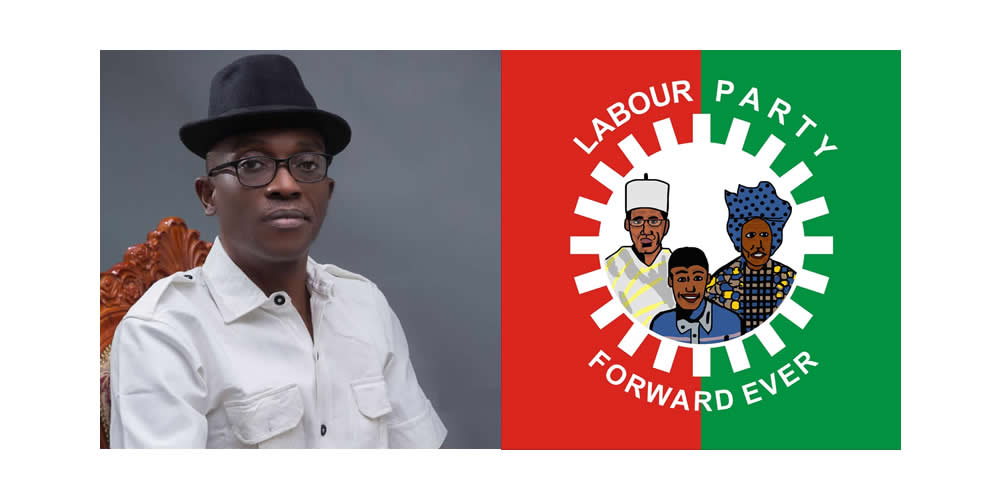
● Kefas Akase
Abuja – In a landmark judgment that could reshape the leadership structure of the Labour Party, the Supreme Court of Nigeria has removed Julius Abure as the National Chairman of the party. The apex court, in a unanimous decision delivered by a five-member panel today, faulted the earlier ruling of the Court of Appeal in Abuja, which had affirmed Abure’s position. According to the court, the appellate court lacked the jurisdiction to entertain the matter, emphasizing that leadership disputes within political parties fall outside the scope of judicial review.
Delivering the lead judgment, Justice Emmanuel Agim stated, “The issue of leadership of a political party is an internal affair. The courts have no jurisdiction to interfere in such matters unless it borders on constitutional breaches or affects the rights of members outside the party’s framework.” The Supreme Court held that the Labour Party’s leadership crisis must be resolved internally, thereby invalidating Abure’s continued leadership as imposed by a lower court ruling.
The decision has sent ripples across the political landscape, particularly within the Labour Party, which has been grappling with internal wrangling since the 2023 general elections. A member of the party’s Board of Trustees who spoke under condition of anonymity said, “This ruling is a wake-up call. We need to put our house in order. The party belongs to the people, not a single individual.” The judgment effectively opens the door for a fresh leadership process within the party.
Reacting to the ruling, a factional leader of the Labour Party, Lamidi Apapa, who has long challenged Abure’s leadership, expressed satisfaction with the verdict. “This is justice at last. We’ve maintained from day one that Abure’s tenure was illegitimate. Now that the Supreme Court has spoken, the party must return to the path of constitutionality and democratic values,” Apapa said.
The Independent National Electoral Commission (INEC) is expected to be guided by the Supreme Court’s decision in its dealings with the Labour Party moving forward. Political analysts say the ruling could have far-reaching implications for internal party democracy and may set a precedent for similar cases in the future. As the dust settles, all eyes will be on the Labour Party to see how it navigates this leadership vacuum and repositions itself ahead of upcoming political activities. GMTNewsng