


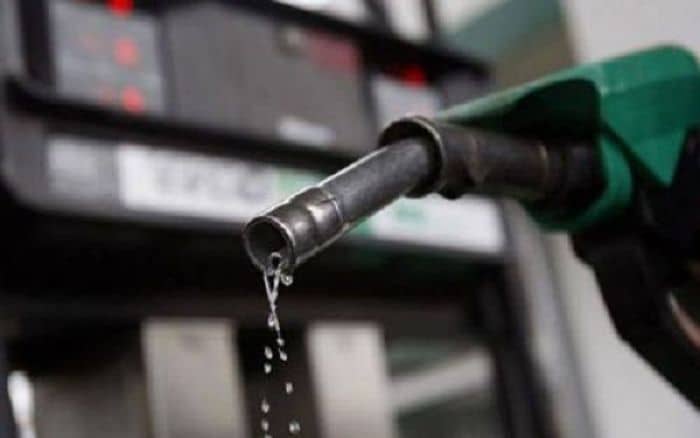
The Independent Petroleum Marketers Association of Nigeria (IPMAN) has brought to light the alleged secret subsidy payments made by the federal government to maintain the current pump price of petrol. Amidst reports that petrol is being sold at prices ranging from N568 to N617 in different regions of the country, the ex-depot price of petrol in Lagos was recorded at N580 per litre on Thursday.
The revelation by IPMAN raises questions about the transparency and clarity surrounding the government’s handling of petrol subsidies. By keeping these subsidy payments discreet, the Tinubu government has ignited concerns among industry stakeholders and the public alike. The fluctuating prices of petrol and the undisclosed nature of subsidy payments have led to confusion and further speculation about the underlying economic dynamics at play.
The undisclosed payments allude to a lack of transparency in the petrol industry, ultimately impacting consumers who bear the consequences through varying pump prices. As the controversy unfolds, commentators argue that the public deserves a clear understanding of how subsidy payments are being managed and whether they are truly necessary to maintain the current petrol price.
Despite the fact that the cost of conveying petrol to filling stations and the profit margin for marketers should result in a selling price range of N620 to N630 per litre, reports indicate that the current pump price remains lower. This difference in price is speculated to be a secret subsidy being covered by the government, even though no budget has been officially allocated for such subsidies.
The undisclosed subsidy being borne by the government raises concerns about the lack of transparency in its financial practices. While there is no official provision for petrol subsidies in the budget, the difference between the expected and actual selling prices implies that the government is clandestinely shouldering these costs. This news further brings into question the financial implications and the decision-making process behind these discretionary subsidy payments.
The undisclosed subsidy, if confirmed, poses a significant burden on the government’s finances and may have implications for other sectors. The absence of a budget allocation for such subsidies could also raise legal and accountability concerns. As the investigation into these hidden payments unfolds, stakeholders and citizens alike call for transparency, accountability, and a clearer understanding of the government’s position on petrol subsidies.
In a conversation with The Punch on Friday, Chief John Kekeocha, the National Secretary of IPMAN, expressed his concerns regarding the government’s decision to impose a cap on petrol prices. According to Kekeocha, this move suggests that the subsidy on petrol has officially been reintroduced, contrasting with the government’s earlier claims of subsidy removal.
Kekeocha criticized the lack of transparency surrounding the government’s handling of the issue. He stated that it is contradictory for the government to claim the removal of fuel subsidy while simultaneously imposing price regulations. This apparent contradiction in the government’s communication on the matter raises questions about its transparency and consistency in addressing petrol subsidies.
The conflicting statements from the government create an impression of ambiguity and fuels skepticism among industry stakeholders. The call for transparency and a consistent approach to petrol subsidies remains important, as both the public and industry players seek clarity and a reliable understanding of the government’s position on this critical issue.
According to Chief John Kekeocha, the removal of subsidy implies a complete withdrawal of government intervention, allowing petrol prices to fluctuate based on market demand and supply. In his view, if the Nigerian National Petroleum Corporation (NNPC) claims to secure foreign exchange to import petroleum products and reduce prices for selected marketers, it raises questions about fairness and consistency. He argues that if the government has granted import licenses to a few marketers, it is unlikely that they will impose price regulations on other importers. This would contradict the principle of subsidy removal and indirectly reintroduce subsidies into the system.
Kekeocha contends that maintaining price caps for certain marketers while allowing others to determine prices based on market forces is inconsistent and contradictory. He argues that if the government intends to bring in products at reduced prices, it should not regulate prices for specific groups, as this would be a contradiction in policies. By doing so, it is implied that the government is reintroducing subsidies through indirect means.
The concerns raised by Kekeocha highlight the need for the government to ensure a transparent, fair, and consistent approach to petrol pricing and subsidy policies. The debate surrounding petrol subsidies remains complex, and stakeholders continue to request more clarity and an equitable system that aligns with principles of market dynamics.
Chief John Kekeocha suggests that if the government intends to reintroduce subsidies, they should openly acknowledge it as a response to the challenges the country is currently facing. He believes that, instead of resorting to subsidies, the government should focus on addressing the underlying issues, such as ensuring the proper functioning of refineries. Kekeocha emphasizes the importance of transparency and effective decision-making when it comes to subsidy policies.
In addition, IPMAN Spokesman, Chief Chinedu Ukadike, insists that the subsidy on petrol is gradually being reinstated. He points out that the Presidency’s analysis, which compares petrol prices in neighboring countries and the international market, is not a comprehensive assessment. He argues that it is important to consider the purchasing power of the local currency and the cost of living in each country. Using the example of the price difference of a bottle of Coke between Nigeria and Ghana, Ukadike highlights the need to consider local circumstances rather than simply comparing prices.
The perspectives of both Kekeocha and Ukadike underscore the ongoing debate surrounding petrol subsidies in Nigeria. The discussions emphasize the importance of openly discussing subsidy policies, ensuring transparency, and taking into account the specific economic realities of the country when making decisions related to petrol pricing.
Chief Chinedu Ukadike argues that the comparison made by the Presidency, regarding the cheaper price of petrol in Nigeria compared to neighboring countries, is not entirely accurate. He believes that it is crucial to consider the significance of domestic refining in order to reduce the dependency on imported petroleum products and the demand for foreign currency. Ukadike emphasizes that if the aim is to achieve full deregulation, it is vital to prioritize local production, as this will help mitigate the impact of rising dollar exchange rates on petrol prices. He suggests that without local production, any increase in the value of the dollar will inevitably result in a simultaneous increase in petrol prices.
Ukadike’s viewpoint highlights the potential benefits of developing domestic refining capabilities. By reducing reliance on imports and foreign currency, Nigeria could mitigate the impact of global economic fluctuations on petrol prices. This further supports the argument for investing in the local refining sector and establishing a sustainable framework for the production and distribution of petroleum products.
The discussion surrounding domestic refining and its relationship to petrol pricing underscores the long-term strategies needed to achieve a more stable and self-sufficient energy sector in Nigeria. The focus on local production serves as a potential solution to address the challenges associated with price fluctuations and foreign exchange rates.
The statement suggests that if the Federal Government continues to intervene in petroleum product pricing without implementing measures to enhance local refining capacity, it indirectly implies the return of subsidies. This would indicate that the government is providing financial support to ensure affordable petrol prices, contrary to its claim of subsidy removal.
The observation emphasizes the need for the government to either implement full deregulation and promote domestic refining or openly acknowledge the reintroduction of subsidies. By taking transparent and decisive action, the government can address concerns surrounding subsidy policies and provide clarity on its approach to maintaining petrol prices in the country.