


Members of the junta in Niger have taken precautionary measures amidst the looming threat of an invasion by the Economic Community of West African States (ECOWAS). Reliable reports suggest that they have initiated the evacuation of their families to safe havens in Burkina Faso and Dubai.
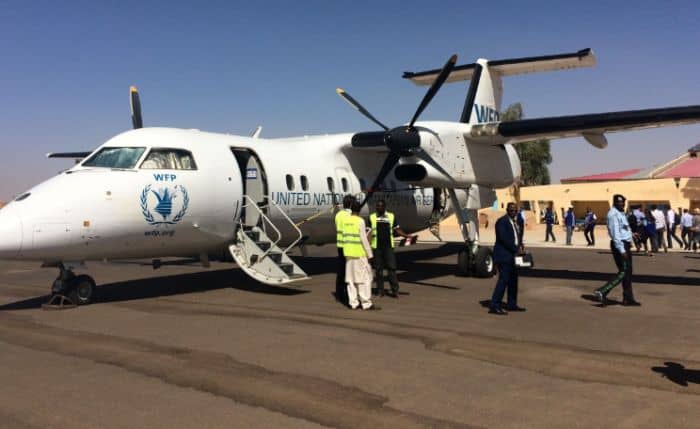
This arrangement was put into action at Agadez Airport in Niger a few days ago, where Gulfstream G550 jets were allegedly utilized for the operation. The evacuation of the junta’s families is seen as a strategic move to safeguard them from potential risks and instability arising from the impending ECOWAS intervention.
By relocating their loved ones to these secure destinations, the military leaders of Niger hope to ensure their families’ safety and well-being during these uncertain times. This development further highlights the growing tension within the country and the anticipation of ECOWAS’ intervention in response to the recent political instability.
In the late hours of Friday, August 11, 2023, to the early hours of Saturday, August 12, reliable sources revealed that the Nigerien junta, led by General Tchiani, executed an evacuation plan for the families of the coup leaders. The operation involved the utilization of several Gulfstream G550 aircraft, notably flight No. BFY824R, departing from Agadez Airport bound for Burkina Faso and Dubai. The women and children of the putschists were among those on board.
According to the source, General Tchiani’s decision to evacuate his own family suggests that he possessed information regarding an imminent attack by ECOWAS. While ensuring the safety of his loved ones, it raises concerns that he would leave behind the people of Niger to face a perilous future. The actions of protecting his family while potentially sending soldiers into a fratricidal war raise questions about his priorities and the potential consequences for the Nigerien populace.
The development of the evacuation plan signifies the escalating tension within the country and the anticipated threat of ECOWAS’ intervention. As the junta leaders safeguard their own families, the fate of the Nigerien people becomes increasingly uncertain. The actions taken by General Tchiani and his counterparts have fueled speculation and raised ethical concerns about their commitment to the welfare and protection of the nation they claim to govern.
In the late hours of Friday, August 11, 2023, to the early hours of Saturday, August 12, reliable sources revealed that the Nigerien junta, led by General Tchiani, executed an evacuation plan for the families of the coup leaders. The operation involved the utilization of several Gulfstream G550 aircraft, notably flight No. BFY824R, departing from Agadez Airport bound for Burkina Faso and Dubai. The women and children of the putschists were among those on board.
According to the source, General Tchiani’s decision to evacuate his own family suggests that he possessed information regarding an imminent attack by ECOWAS. While ensuring the safety of his loved ones, it raises concerns that he would leave behind the people of Niger to face a perilous future. The actions of protecting his family while potentially sending soldiers into a fratricidal war raise questions about his priorities and the potential consequences for the Nigerien populace.
The development of the evacuation plan signifies the escalating tension within the country and the anticipated threat of ECOWAS’ intervention. As the junta leaders safeguard their own families, the fate of the Nigerien people becomes increasingly uncertain. The actions taken by General Tchiani and his counterparts have fueled speculation and raised ethical concerns about their commitment to the welfare and protection of the nation they claim to govern.
ECOWAS is leaving no doubt about its determination to restore constitutional order in Niger. Speaking at the meeting in Accra, the ECOWAS Commissioner for Political Affairs, Peace, and Security, Abdel-Fatau Musah, made it clear that the regional forces are prepared to take action if all other efforts fail. He emphasized that the valiant West African forces are ready to fulfill their duty, using any means necessary to ensure that democracy is reinstated in the country. Musah’s remarks, quoted by Reuters, conveyed the resolute stance of ECOWAS in addressing the crisis.
Echoing this sentiment, General Christopher Gwabin Musa, Nigeria’s Chief of Defence Staff, emphasized the values and principles that the West African nations uphold. He stressed that democracy is their guiding ideology, and that they actively promote and support democratic processes. The commitment to democracy serves as a foundational principle for the region’s defense forces, reinforcing the collective aspiration to restore constitutional order in Niger.
The statements made by Musah and General Musa underscore the unwavering dedication of ECOWAS member states to democratic governance. Their determination to intervene and restore stability in Niger demonstrates the regional commitment to upholding democratic values and ensuring the well-being of the Nigerien people. The meeting in Accra served as a platform for regional defense chiefs to align their strategies and preparations in anticipation of potential military intervention if diplomatic efforts fall short.
The purpose of the meeting held to address the crisis in Niger was not solely to react to unfolding events but to proactively devise a strategy that prioritizes peace and promotes stability. Recognizing the urgency of the situation, regional defense chiefs congregated to discuss and formulate a plan of action.
This gathering followed the expiration of the deadline set for the mutinous soldiers to release and reinstate President Bazoum or face military intervention. As of now, President Bazoum remains under house arrest in Niamey, alongside his wife and son.
ECOWAS has been engaged in extensive deliberations regarding the potential use of force, considering it a measure of last resort. Despite sending various mediation teams to Niamey and undertaking diplomatic efforts, a consensus has yet to be reached within ECOWAS’ ranks, further emphasizing the complexities and sensitivities surrounding the crisis in Niger. The regional body has been steadfast in exploring peaceful resolutions while keeping military intervention as an option if all other avenues prove unsuccessful.
The possibility of military intervention in Niger has brought about differing viewpoints and potential divisions within the region. Burkina Faso and Mali, countries that have faced multiple coups since 2020, issued a warning that any military intervention in Niger would be considered an act of war. This stance highlights a fracture between the coastal countries and those situated in the volatile Sahel region.
On the other hand, Guinea, which is also under military rule, has refrained from making further comments, choosing not to openly align itself with any specific position. While Guinea has previously condemned external aggression, its current silence on the matter suggests a reserved approach or a desire to navigate the situation cautiously.
These contrasting reactions from countries within the region showcase the complexities and differing perspectives regarding military intervention in Niger. It reveals the underlying tensions and potential divisions between nations that have faced political instability and those seeking stability in a region plagued by volatility. The differing stances of Burkina Faso, Mali, and Guinea demonstrate the diverse viewpoints and interests among countries in the West African region.
The African Union’s Peace and Security Council convened on Monday to discuss the matter and determine whether it would lend support to a potential military intervention in Niger. However, the council has not yet made its decision public, indicating that the issue is still under careful consideration.
The Peace and Security Council of the African Union possesses the authority to override a military intervention if it deems that such action would endanger overall stability on the continent. If the council rejects the use of force, ECOWAS may find it challenging to establish legal grounds for claiming justification for military intervention in Niger.
The decision of the AU’s Peace and Security Council holds significant weight, as it not only impacts the potential intervention plans but also reflects the AU’s position on the matter. The complexities surrounding the legal and ethical justifications for military intervention highlight the importance of regional and continental consensus in addressing the crisis in Niger. GMTNews